
Every book on a wall is there for a reason, and the reason is usually a memory: where you were living when you read it, what you paid for it, who you read it with. My wall holds 44 books on 8 shelves, and three of those shelves exist because of three memories. Here they are, with the books that go with them.
Giant-Size X-Men, sometime between 1986 and 1989
My first comic book memory is of reading Giant-Size X-Men. I can't give you the exact year. I can place it somewhere between 1986 and 1989 only because I remember where I was living at the time. Giant-Size X-Men #1 first came out in 1975, so the copy I read was most likely a reprint.
Two images from that book have stayed with me ever since. Colossus turning to metal to save his sister from an oncoming tractor. And Thunderbird running down a speeding bison and throwing it onto its back. For years those two pages have stood for me as some of the most iconic character introductions in comics.
That is why Giant-Size X-Men #1 opens the first shelf on my wall, the one for first appearances. The rest of the shelf holds books where other characters I love first showed up, from X-Factor #5 to X-Men #4.
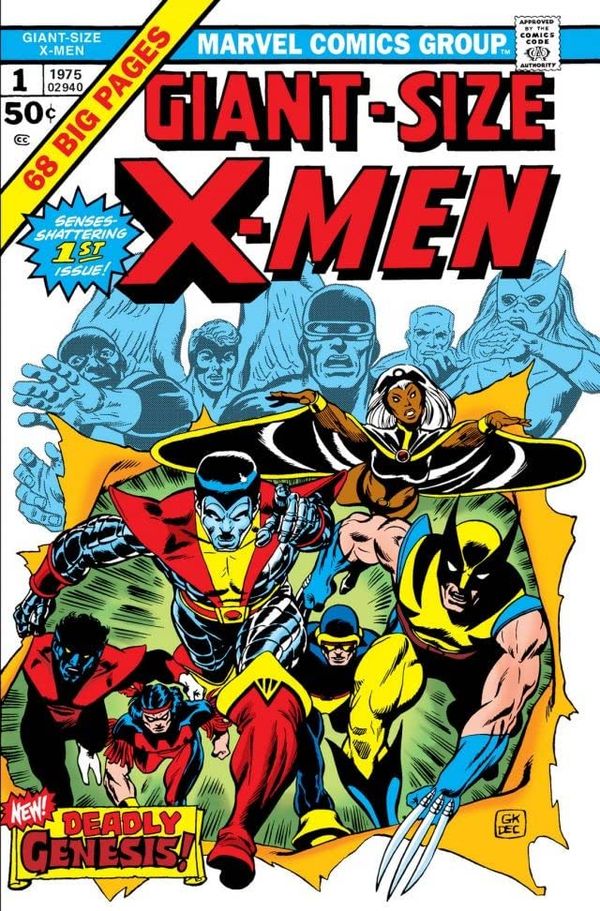
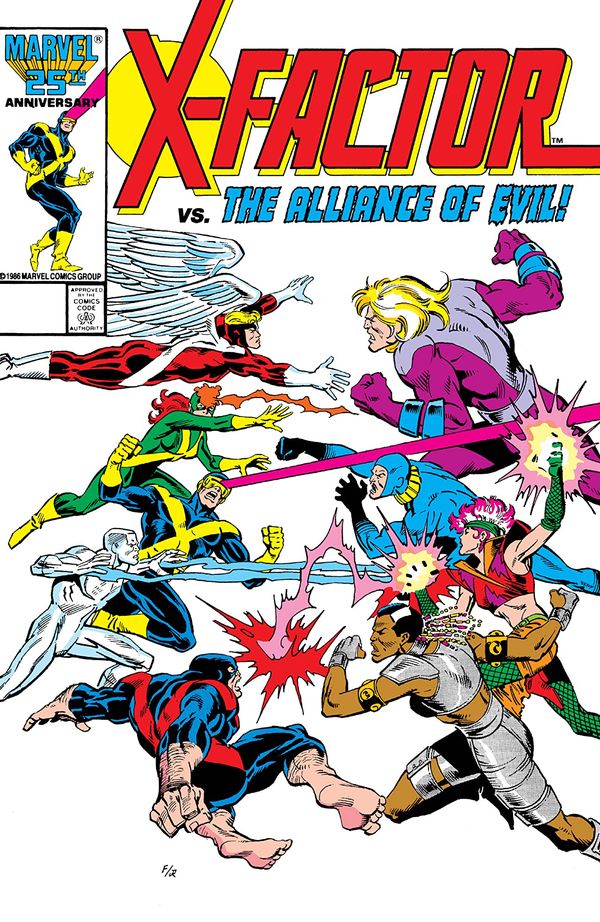
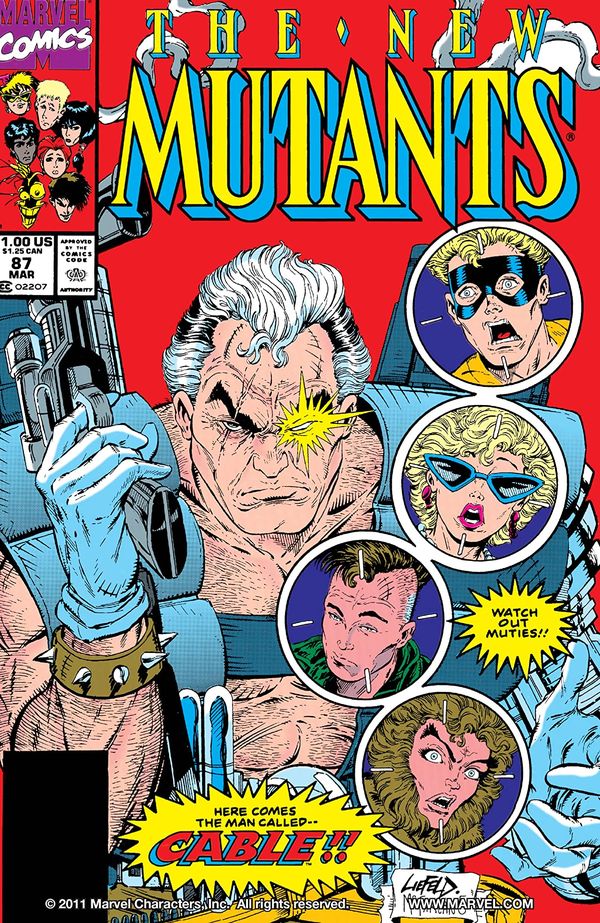
The start of the first-appearances shelf.
The Death and Return of Superman, on a $5 allowance
At 13, I walked to the comic book store every weekend with a $5 allowance and spent it on three or four comics. Week after week, those comics were the Death and Return of Superman. I bought every chapter, religiously, and read each one at home with a bowl of oatmeal.
The story ran across the Superman titles every week, which suited a kid with a weekly allowance: there was always a new chapter on the rack when I got to the store.
The Death of Superman shelf on my wall follows that run: Superman: The Man of Steel #18 and #19, Superman #75, then The Adventures of Superman #500, Superman #82 and The Adventures of Superman #505.
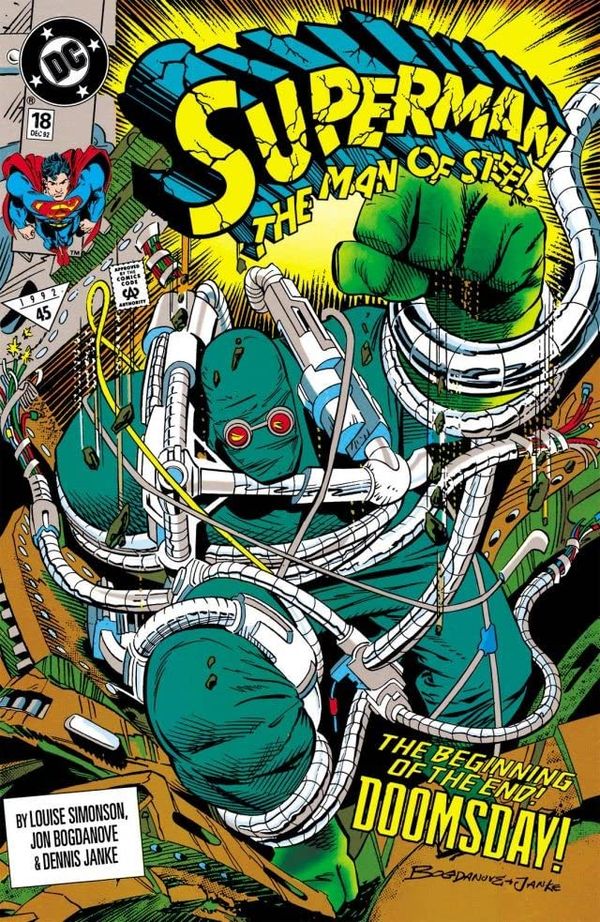
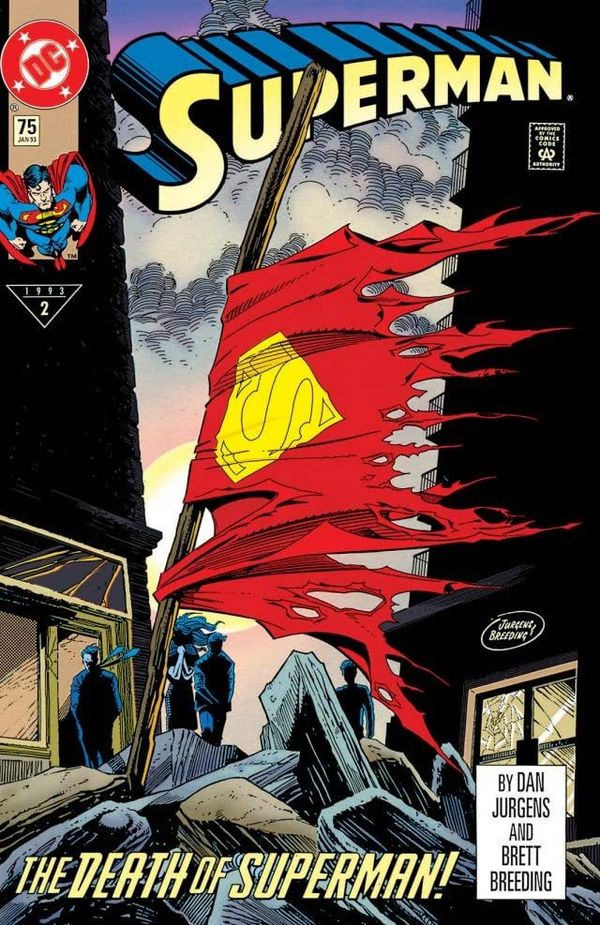
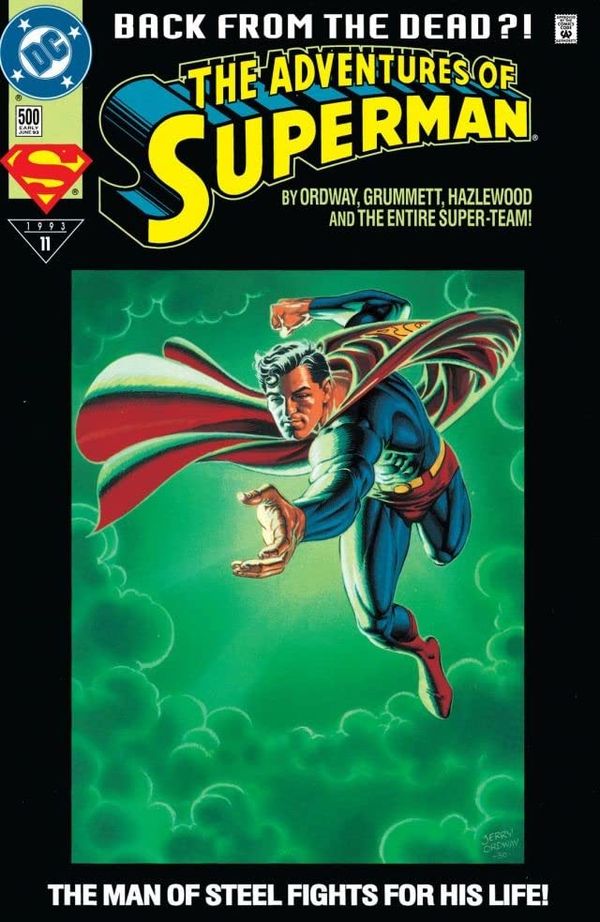
Three of the six on the Death of Superman shelf.
The shelf is in reading order, the way I read it the first time. Our guide to choosing which comics to put on your wall explains why a story shelf works best that way.
Knightfall, and the issue where Bruce Wayne seemed to kill
The Batman story I remember best comes from the end of Knightfall. It is the last page of Batman: Legends of the Dark Knight #62, part four of KnightsEnd, from July 1994. Bruce Wayne strikes a man in the face, and the man goes down and appears to be dead. Robin and Nightwing stand there aghast, as if thinking the old Bruce would never have killed anyone.
The next part, Robin #8, settled it on page 6. The man was still alive, and Batman had not, as Nightwing believed, "drove his sinuses back into his brain." It was at that moment I realized something like that was even possible.
The Knightfall shelf on my wall runs from Batman #497 to Batman: Legends of the Dark Knight #63, from Bane breaking Batman's back to Bruce Wayne's return.
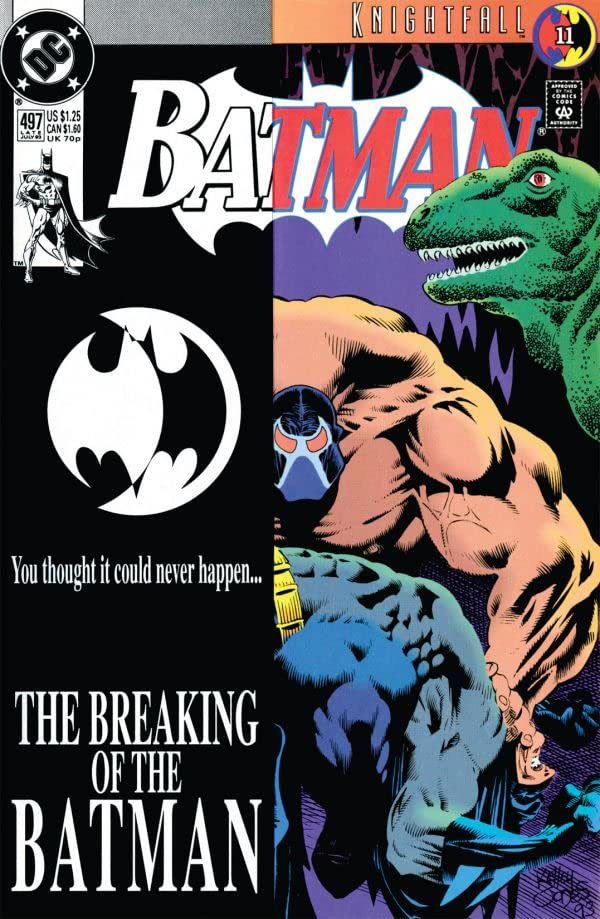
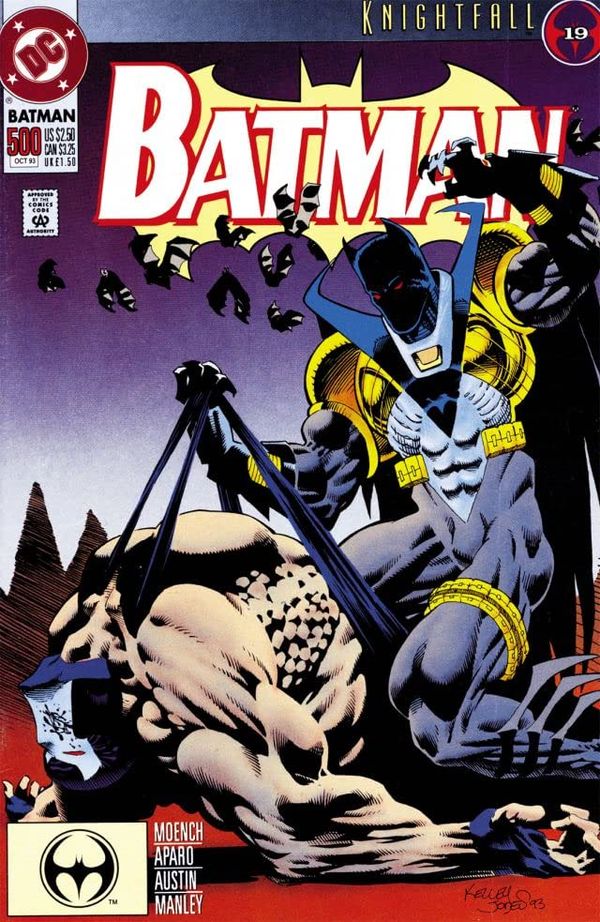
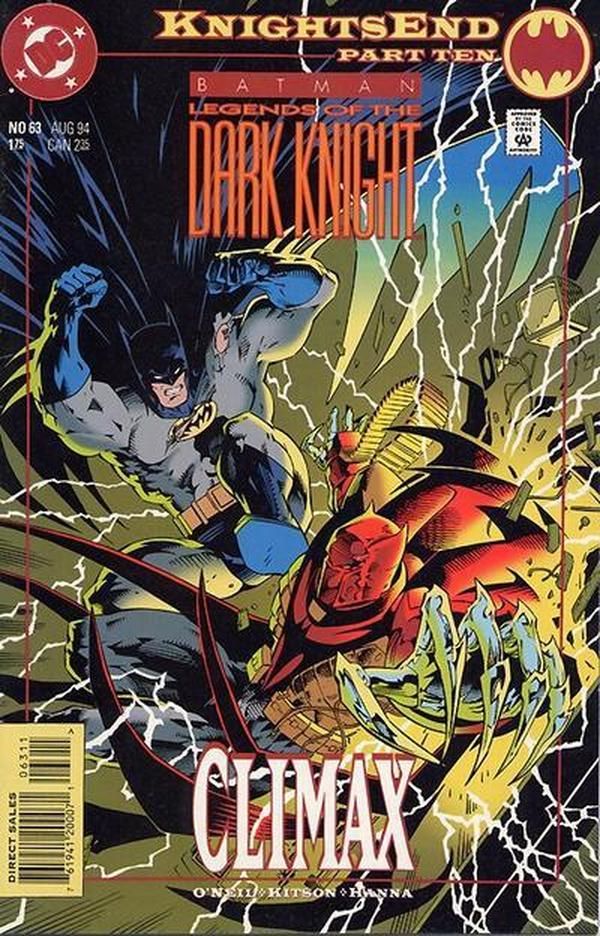
Three of the six on the Knightfall shelf.
What a memory does for a wall
None of these three shelves is on my wall because of what the books are worth. They are there because I can tell you where I was when I read them. A shelf with a story behind it is the one a visitor asks about, and it is the easiest shelf to build, because you already know which books go on it.
If you are working out what to put on your own wall, start with the comic you remember first and build a shelf around it. Our guide to starting a comic collection covers what to do when the book you remember is one you no longer own.
Questions collectors ask
Should I put my first comic on my wall even if it is a beat-up copy?
Yes. A wall shows what you love, and a worn copy of the book that started it says more about you than a clean copy of something you bought later. If the cover is too far gone to show, a later printing of the same story works too.
What if I can't remember the exact issue?
Put up the story you remember and let the shelf carry it. The Batman page I remember best is the last page of Legends of the Dark Knight #62, which is not on my wall, but the Knightfall shelf holds the story it came from, and the memory belongs to the shelf.
How many shelves should come from memories?
As many as you have memories for. The rest of a wall can be built around a look or an idea, but the shelves with a story behind them are the ones you will want to talk about.
Wall Comics is invite-only during the beta. Request an invite.