
Start a comic collection with a reason: one character, one run, one artist or one story you want to own from start to finish. A reason tells you what to look for in a back-issue bin and what to walk past. Log every book from the first day, store them bagged, boarded and upright, and set your first goal as one shelf you can complete.
Pick a reason to collect
A collection with a reason grows into something you can show. A pile of books bought one at a time because each looked good grows into a pile. The reason can be small, and the smaller it is, the sooner you finish something.
Reasons that work:
- One story. A crossover or a story arc, every chapter, in order.
- One run. A title from one writer's or one artist's first issue to their last.
- One character. Every appearance in one decade, or every cover they lead.
- One year. The year you were born, or the year you started reading.
The Carnage story in The Amazing Spider-Man #361 to #363 is three issues long. A first goal that size is one you can finish, and it gives you a complete shelf.
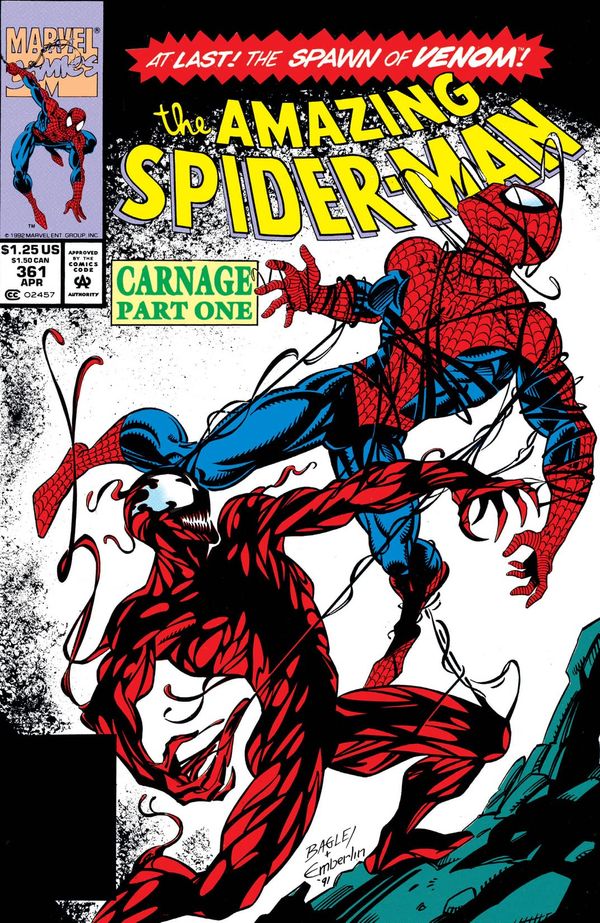
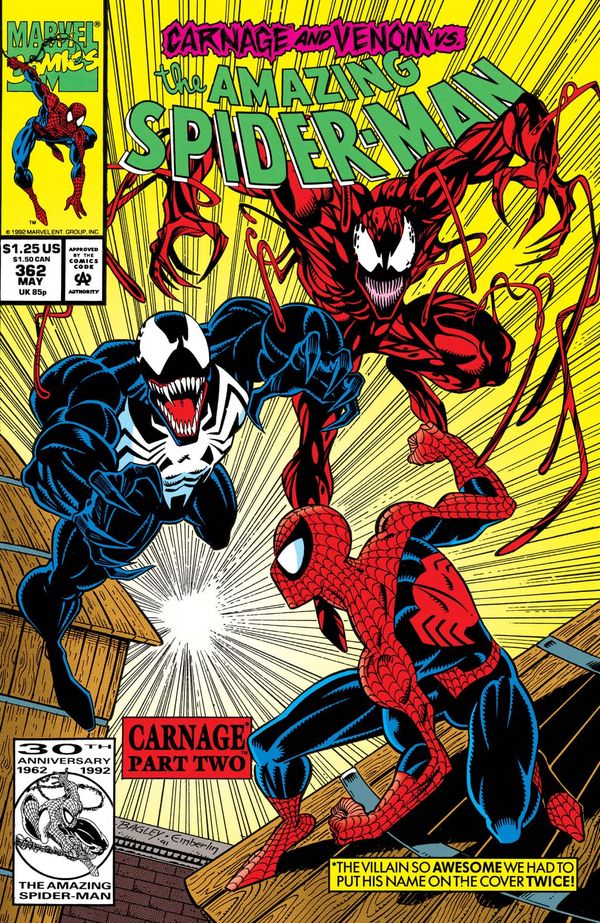
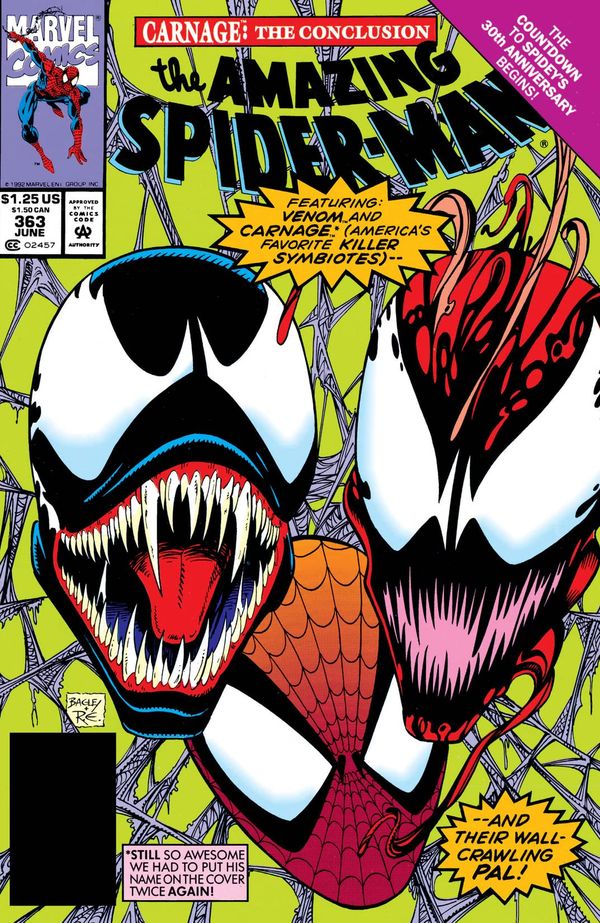
A complete three-part story from the founder's wall. Small goals finish.
Where to find the books
The best place to start is a local comic shop. The back-issue bins hold older books sorted by title and issue, the staff know what is in the back, and a pull list (a standing order for new issues) means you never miss a chapter of a series you are following.
Other places worth knowing:
- Conventions. Dealers bring long boxes of back issues, and you can see every book before you buy.
- Other collectors. Another collector may own the exact book you are missing. Our guide to trading comic books safely covers how to do it without getting burned.
- Online sellers. Wide selection, but you are buying from photos, so ask for pictures of the actual copy.
Bring your list. A phone with your collection open stops you buying a book you already own.
Log every book from the first day
Keep a record of every book as it comes in: series, issue number, and the variant or printing. Starting the record on day one takes seconds per book; starting it at book 300 takes a weekend.
Any of the collection apps works: League of Comic Geeks, CLZ and ComicBase all track a collection and export it, and a spreadsheet with two columns (series, issue) does the job too. What matters is that the list exists, stays current, and can be exported, because everything you will want to do with the collection later starts from it.
Store them the way libraries do
The Library of Congress's advice for storing comic books comes down to a cool, stable room, minimal light and supportive enclosures. In practice, for a collector:
- Bag and board every book. A current comic is about 6 5/8 by 10 3/16 inches, and current-size bags and boards fit it; older books need silver or golden age sizes, so measure before you buy.
- Store them upright in comic boxes, packed snugly enough that they stand without slumping and loosely enough that one lifts out without catching.
- Keep the boxes off the floor and away from outside walls, in a room you would be comfortable in: no attics, no garages, no basements that flood.
- Keep them out of the light until they go on display.
Light is the one that matters most once a book goes up on a wall. Our guide to whether comics fade on display has the conservators' numbers.
New issues or back issues
Both, for different reasons. New issues keep you current with a series as it comes out, and a pull list at your shop makes sure every chapter waits for you. Back issues are how you collect a story that has already finished, and they are where most collections built around a reason find their books.
A simple split that works: a pull list of one or two current series you read every month, and a want list of back issues for the story or run you are completing. Keep the want list in the same app or spreadsheet as the collection, so it travels with you.
Read them
A collection is books, and books are for reading. Handle them with clean, dry hands, support the spine, and turn pages from the top corner. A copy you read carefully is still a copy you can show.
Choose the first books to show
Once a shelf is complete, show it. The first shelf is usually the reason you started: the finished story, the run, the year. Our guide to choosing which comics to put on your wall walks through the shelves on the founder's wall and how each one is grouped.
Show it to people who get it
A collection is more fun when someone else sees it. Wall Comics turns the list you have been keeping into a wall: bring it in from your collection app or spreadsheet, put the books you are proudest of on shelves, and turn the wall on so other collectors in the beta can browse it. Your boxed copies stay boxed.
Questions collectors ask
What supplies do I need first?
A pack of bags and boards in the right size for the books you are buying, and one short comic box. A current comic needs current-size bags and boards; books from the 1960s and earlier need silver or golden age sizes. Buy more as the collection grows.
How do I know which version of a book I have?
Look at the indicia, the small block of print on the first page or inside the front cover, which states the publisher and the issue. Variant covers and later printings are often marked there or on the cover itself. Record the variant in your collection the day the book comes in.
Should I collect a whole series from issue #1?
Only if the whole series is your reason. Long-running series run to hundreds of issues, and a single story or run inside one is a goal you can finish. Finish one, show it, then pick the next.
Wall Comics is invite-only during the beta. Request an invite.