
A safe comic trade comes down to five habits: trade with collectors who have a visible history, agree every detail in writing before anything ships, photograph each book front and back, pack it between rigid board inside a box, and ship with tracking on an agreed day. Each step below covers one habit and what to do when the other side will not follow it.
Start with someone who has a history
The safest trade partner is a collector with a public record of finished trades. On Reddit's r/comicswap, a bot adds a confirmed-trade count to each trader's flair after both sides confirm a deal in a thread, so the number next to a username is a running record. Comic forums, local shops and collector groups on Facebook each keep their own version, usually a feedback thread or a reputation score.
Read that history before you offer anything:
- Check the trade count and how long the account has existed.
- Open two or three past confirmations and look at what changed hands.
- Search the username for complaints in the community's feedback or warning threads.
A new account with no trades can still be an honest one. Ask them to ship first, or keep the first trade small: a single book each way, the kind of book you would be fine losing.
Agree the whole trade in writing
Write down everything both sides are sending before either of you packs a box. Every disagreement after a trade traces back to something one side assumed and the other never said. Keep the agreement in one message thread on one platform, so the record stays in a single place.
The agreement should name:
| Detail | Example |
|---|---|
| Each book, exactly | X-Force #1, 1991, polybagged, Shatterstar card |
| Its condition, in plain words | Spine stress near the top staple, corners sharp, no writing |
| Who ships first | You ship first; they ship within 24 hours of your tracking going live |
| The shipping method | USPS Priority Mail, in a box, tracking shared in the thread |
| The ship-by date | Both packages out by Friday |
Name variants and printings precisely. A newsstand copy, a direct edition and a second printing share a title and an issue number, and that is the most common source of "this isn't what I agreed to". The polybag, card or insert matters too, and so does whether it is still sealed.
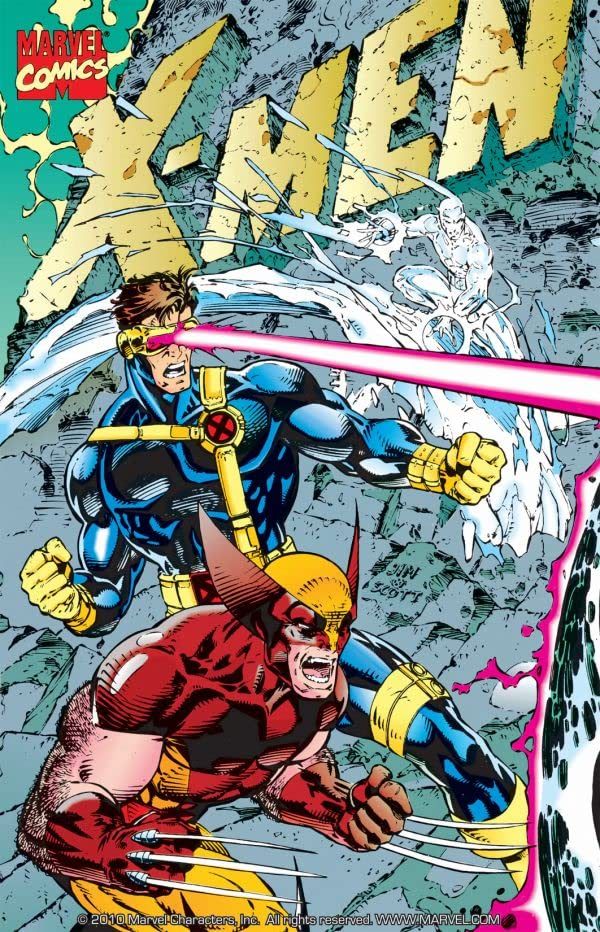
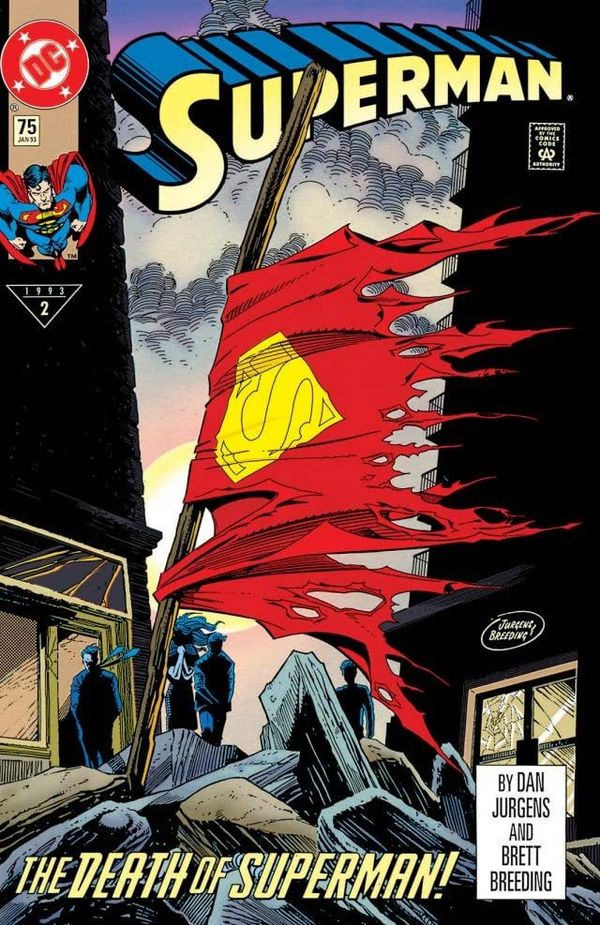
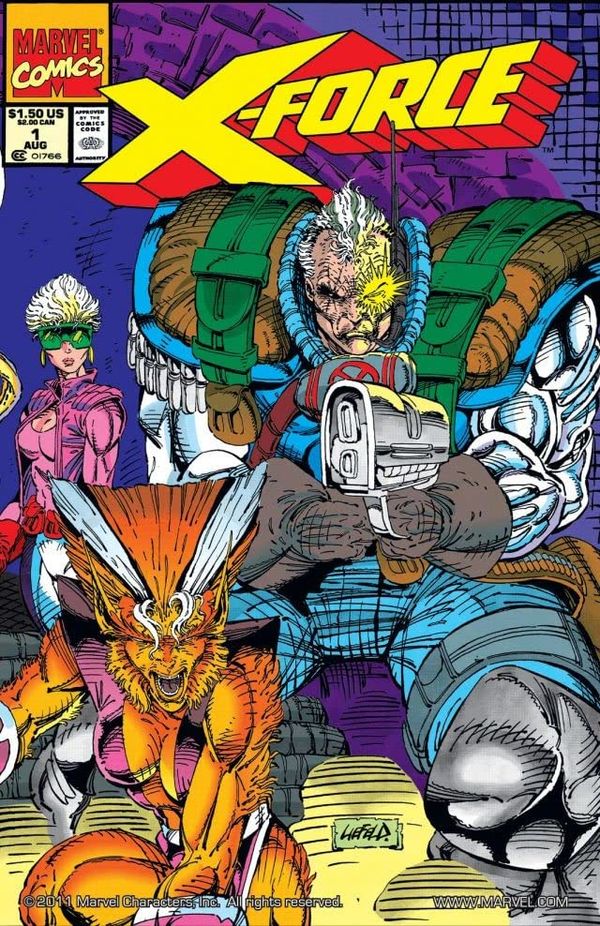
Three books from the founder's wall, each easy to misdescribe in a trade. "X-Men #1" alone names five different covers.
Photograph the actual book
Ask for photographs of the copy that will ship, and send the same in return. A stock cover image tells you what the book looks like. A photograph tells you what this copy looks like.
Take at least four shots in daylight or under a bright white lamp:
- The front cover, flat and square to the camera.
- The back cover.
- The spine, tilted toward the light so stress lines show.
- Any flaw you mentioned in the agreement, close up.
Put a slip of paper beside the book with the other trader's username and the date written on it. It proves the photo was taken for this trade and was never lifted from an old listing. Keep every photo until the trade is confirmed. If a book arrives damaged, your before-photos are the evidence for the shipping claim.
Decide who ships first
The collector with less trade history usually ships first. If both of you have a strong record, ship at the same time and post both tracking numbers in the thread on the same day. Settle this in the written agreement, never by text on shipping day.
Some trades include cash to balance the books. If any money moves, use a payment method with buyer protection. PayPal's own help pages list Friends and Family payments as excluded from Purchase Protection, so a payment sent that way cannot be recovered through PayPal if the book never arrives. Goods and Services is covered and charges the seller a fee; agree up front who pays it. A trader who insists on Friends and Family for a part-cash trade is asking you to give up the one protection you have.
For a trade that involves a shop, a convention or a local meetup, swap in person. Meet somewhere public, look at each book out of its bag before you hand yours over, and you skip shipping entirely.
Pack the book so it cannot bend
A comic in a soft mailer bends. A comic boarded and boxed arrives the way it left. The steps that collectors and comic retailers agree on:
- Put the book in a fresh bag with a backing board.
- Sandwich it between two pieces of stiff cardboard cut slightly larger than the book. Corrugated board works; a comic box divider works better.
- Tape the sandwich at the edges with painter's tape, folding the end of each strip over itself so the other trader can pull it off without a blade near the book. Keep tape off the bag.
- For more than one book, stack them in the sandwich with spines alternating sides.
- Put the sandwich in a box with filler around it so it cannot slide. Mark the box "Do not bend".
- Filler above and below, so nothing slides.
- Stiff cardboard, cut slightly larger than the book, on both sides.
- The comic in a fresh bag, on its backing board.
- Painter's tape on the sandwich edges, ends folded into pull tabs.
- A box, marked "Do not bend".
A graded book in a slab goes in a slab sleeve, wrapped in bubble wrap, in a box with an inch of filler on every side.
Ship with tracking, and add insurance if the book matters to you
Ship every trade with tracking and post the tracking number in the trade thread the day it ships. Tracking is the shared record that the package left and when it arrived. USPS Priority Mail includes tracking and, according to USPS, up to $100 of insurance in the price. Coverage above that is extra and is bought at the counter or online when you print the label.
Ship on the agreed day. If something slips, say so in the thread before the date passes. A late package with a message is a delay; a late package with silence starts to look like something worse to the person waiting for it.
Ship early in the week. A package that leaves on a Monday spends fewer nights in a warehouse than one that leaves on a Friday.
Open it on camera, then confirm the trade
When the package arrives, film yourself opening it, or take a photo at each layer. If the book arrives damaged, that recording and your trading partner's before-photos settle what happened, and they are what a carrier asks for in an insurance claim.
Check the book against the agreement: title, issue, variant, printing, and every condition point you agreed on. If it matches, confirm the trade in the thread where you agreed it. On r/comicswap that confirmation is what updates both traders' flair, so leaving it out costs the other collector the record they just earned.
If it does not match, say so in the same thread, with photos, within a day. A mismatch is often an honest mix-up between printings or variants, and swapping back or adding a book settles it. Keep the conversation in writing and in the open.
Red flags that end a trade
Walk away when you see any of these:
- Pressure to move off the platform. A trader who wants to continue by text or email before the deal is agreed is leaving the community's record behind.
- Photos that won't come. "It's in a box, it's fine" is a reason to wait.
- Friends and Family for the cash part of a trade. It removes buyer protection by design.
- A brand-new account offering a book everyone is hunting. The better the offer, the more history you should expect.
- A changing story. A different condition, a different printing, or a different ship date each time you ask.
None of these proves bad intent on its own. Each one moves the risk onto you, and a trade where all the risk is yours is a trade to pass on.
Where Wall Comics fits
Wall Comics is a digital wall for your collection: you bring in the list you already keep, put your best books on shelves, and turn the wall on so other collectors in the beta can browse it. Trade requests are coming to the beta next: a message to the collector who owns a book you're hunting, sent from their wall. Trade requests will stay messages; the trade itself, the shipping and any payment happen between the two collectors, using the steps in this guide.
Wall Comics is invite-only during the beta. Request an invite.